Which motor should you choose for an electric bike? Power, motorisation, we explain it all!
Choosing the right motor for your electric bike is essential to ensure a comfortable riding experience that meets your needs. With a wide variety of motors available on the market, understanding the differences between them and knowing which one to choose can seem complex. In this article, we explain everything you need to know about e-bike motors.
Motor power: what power should you choose?
The power of an electric bike motor is generally expressed in watts (W).
250 W
250W motors are the most common in Europe, as they comply with the legal regulations governing electric bikes. Assistance is cut off once the bike reaches 25 km/h, which corresponds to the legal limit for a 250W-rated motor. If you are looking for a higher nominal power output and assistance up to 45 km/h, you should consider a speed pedelec. Registration, mandatory insurance, and other requirements apply, as these vehicles are subject to stricter regulations than standard electrically assisted bicycles.
⚠️ Please note: Regulations require a continuous nominal power of 250W and assistance limited to 25 km/h. However, this does not prevent the motor from delivering higher power temporarily during acceleration phases or under heavy load.
For example, the Bosch Performance CX motor is certified at 250W continuous power but can reach approximately 600W of peak power. The Avinox motor goes even further, with power peaks of up to 1,500W. In addition, bikes capable of delivering high power peaks generally feature high torque (measured in Nm), resulting in better acceleration and stronger assistance when climbing hills.
If you are looking to replace your motor, it is generally recommended to choose the same model. If you are unsure about compatibility, contact our Doctibike team!
The different types of motor for electric bikes
There are three main types of motor for electric bikes: the front wheel motor, the rear wheel motor and the crankset motor. Each has its own advantages and disadvantages, and the choice will depend on your riding style, terrain and personal preferences.
However, if you encounter a problem after several years of use, you should know that today it is very simple to request an electric bike motor repair to give your assistance a second lease of life without having to change bikes.
Front wheel motor
The front wheel motor is placed in the hub of the bike's front wheel. This type of motor is often used on entry-level electric bikes.
Advantages :
- Easy installation : This type of motor is easy to install and maintain.
- Weight distribution : With the motor at the front and the battery generally at the rear, the weight is well distributed on the bike.
Drawbacks:
- Traction : On slippery surfaces or uphill, traction can be less effective as the rider's weight is mainly at the rear of the bike.
- Manoeuvrability : The front engine can affect the bike's manoeuvrability, especially in tight corners.
Rear wheel motor
The rear wheel motor is integrated into the rear wheel hub. It is often preferred for mountain bikes and road bikes.
Advantages :
- Traction : Better traction when climbing and on difficult terrain, as the weight is more concentrated at the rear.
- Thrust sensation : Provides a motorcycle-like thrust sensation, which is enjoyable for many cyclists.
Drawbacks:
- Maintenance : More difficult to maintain in the event of a puncture or mechanical problems, as the motor is integrated into the rear wheel.
- Complexity : Installation can be more complex, requiring specialist tools.
Pedal motor
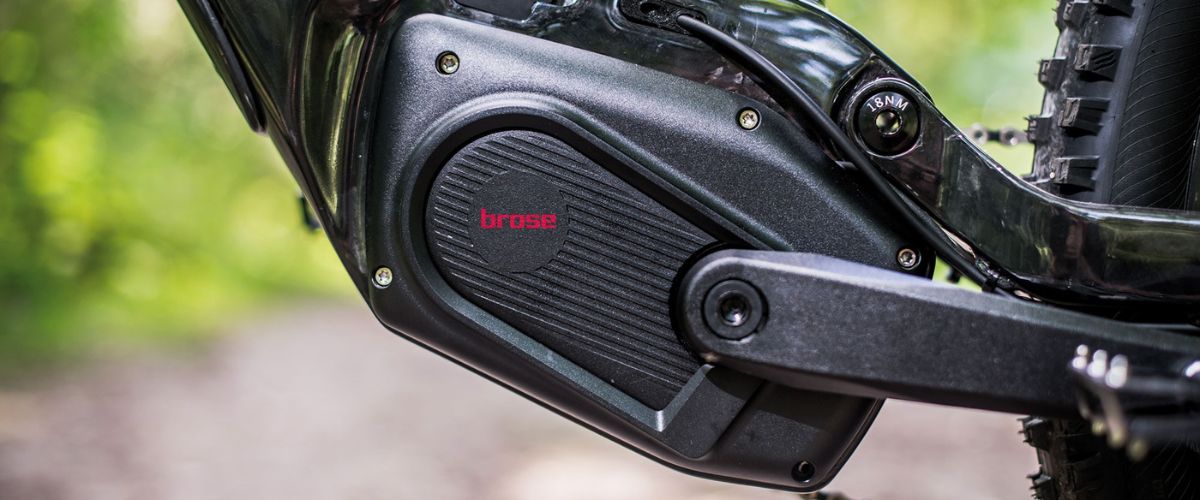
The crankset motor is located at the bottom bracket of the bike, which means it drives the chain directly. This is the most popular option for top-of-the-range electric bikes and electric mountain bikes.
Advantages :
- Efficiency : This type of motor is very efficient because it uses the bike's transmission system. This means you can use the bike's gears to maximise the motor's efficiency.
- Balance : Because the motor is located in the centre of the bike, the weight is well balanced, which improves manoeuvrability.
- Power : Crankset motors are generally more powerful and offer better torque, ideal for steep climbs and rough terrain.
Disadvantages:
- Price : Bikes with crankset motors are often more expensive.
- Maintenance : Mid-drive motors are generally more complex than front- or rear-hub motors, as they contain more gears and mechanical components. For this reason, they may be less durable over time, require more frequent maintenance, and demand greater mechanical expertise for repairs.

Choosing a crankset motor: advantages and specific features
The bicycle crankset motor is often considered the ultimate choice for serious cyclists and off-road enthusiasts. Here's why:
Advantages of the crankset motor
- Energy efficiency : By using the bike's transmission system, the crankset motor is able to provide more efficient assistance, especially when using the bike's gears.
- Climbing performance : Thanks to its high torque, the crankset motor enables you to climb steep hills with less effort.
- Weight distribution : Located in the centre of the bike, the crankset motor ensures balanced weight distribution, improving stability and handling.
- Natural response : The pedalling sensation with a crankset motor is more natural, because the assistance is directly linked to the rider's pedalling force.
Disadvantages of the pedal motor
- Cost : Bikes fitted with pedal motors are often more expensive due to the complexity and performance of the system.
- Maintenance : May require more specialised and more frequent servicing.
The best crankset motors on the market
Several brands stand out for the quality of their pedal motors. Here are some of the most reputable:
Bosch
Bosch crankset motors are renowned for their reliability and performance. Available in several versions (Active Line, Performance Line, Cargo Line), they can be adapted to a variety of needs, from urban use to mountain biking.
Shimano Steps
Shimano Steps systems offer smooth assistance and are particularly appreciated for their lightness and efficiency. They are ideal for touring bikes and mountain bikes.
Brose
Brose electric bike motors are characterised by their silence and high torque. They are often chosen for top-of-the-range bikes and off-road applications.
Yamaha
Yamaha is one of the pioneers of the e-bike industry and is renowned for the reliability and longevity of its motors. Its assistance is generally smooth and natural, providing a comfortable and controlled pedalling experience. Yamaha e-bike motors focus on balancing performance, range, and riding comfort. They are particularly appreciated for daily commuting, touring, and long-distance rides.
Ananda
Ananda e-bike motors are valued for their excellent price-to-performance ratio, quiet operation, and efficient energy consumption. The range includes both hub motors and mid-drive motors suited to various uses, from city bikes to electric mountain bikes. These motors provide a reliable and affordable solution for riders seeking strong performance without significant additional cost.
Avinox
Avinox motors stand out for offering some of the highest performance levels on the market. With high torque and power peaks of up to 1,500W, they provide exceptionally dynamic assistance. These motors are particularly well suited to sporty riding styles and demanding terrain.
The choice of motor for your electric bike will depend on a number of factors, including your riding style, the type of terrain you cover most often, and your budget.
By choosing the right motor for your electric bike, you'll not only ensure a more enjoyable and efficient ride, but you'll also maximise the enjoyment of every journey. Don't hesitate to contact us if you have any questions or would like a personal consultation. Enjoy your ride with Doctibike!