


Guaranteed Reviews

Free shipping from €299

Installment payment with no fees via Alma

2-year warranty
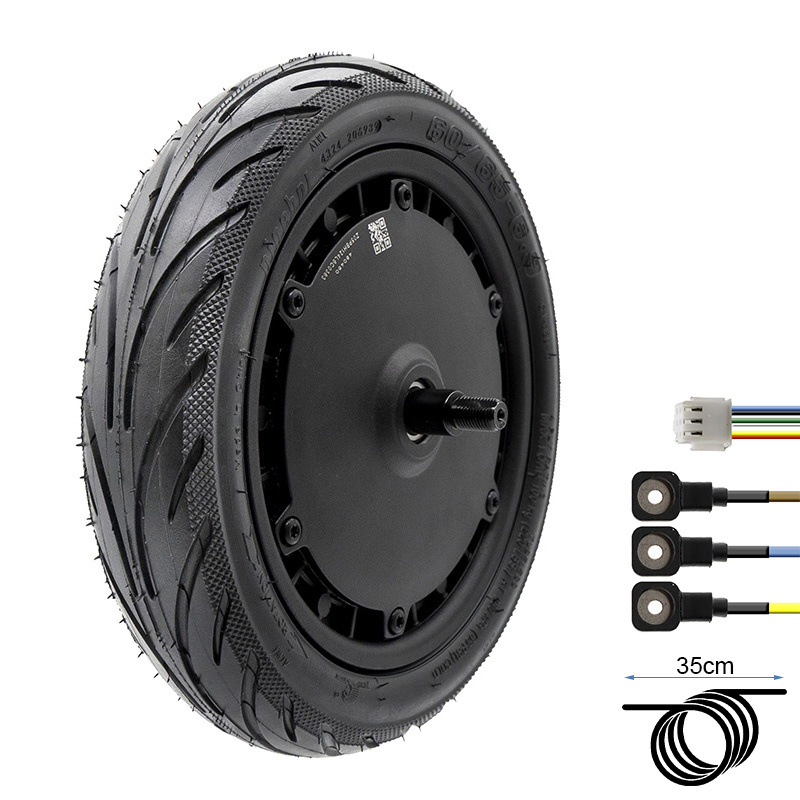
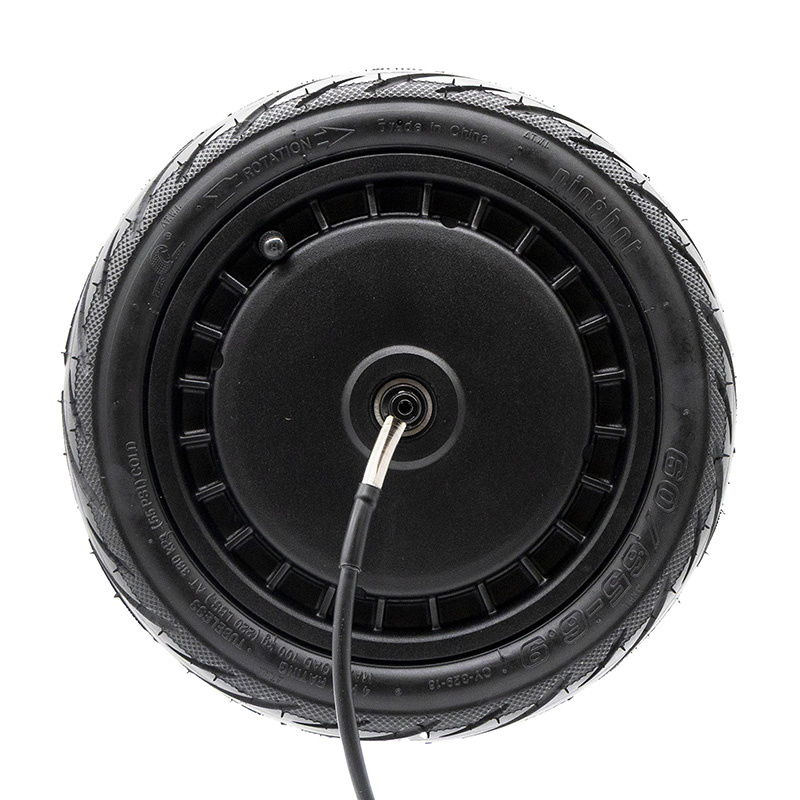
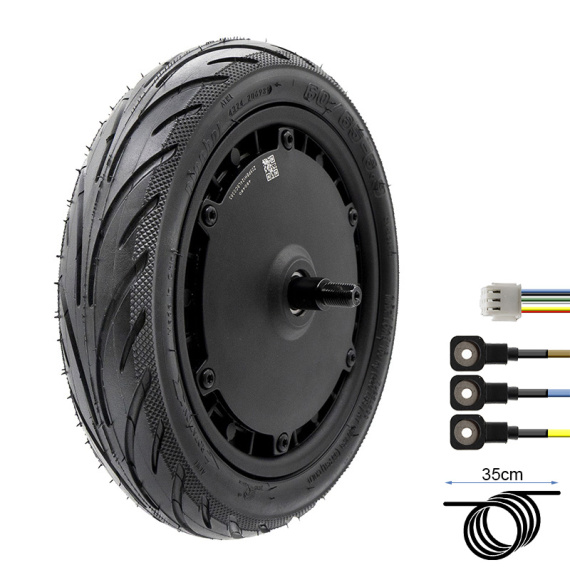
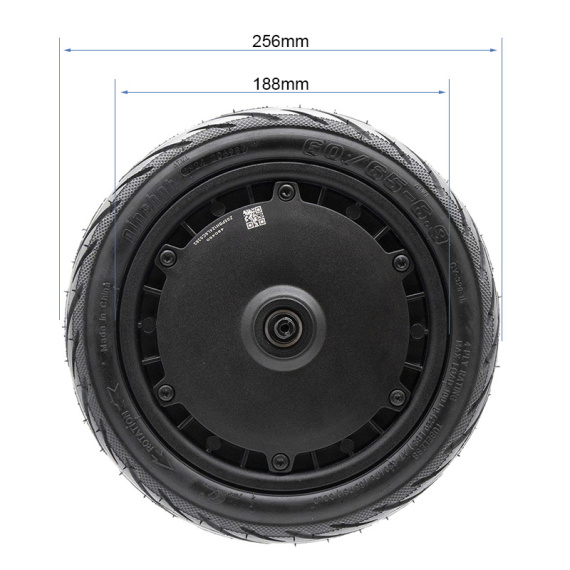
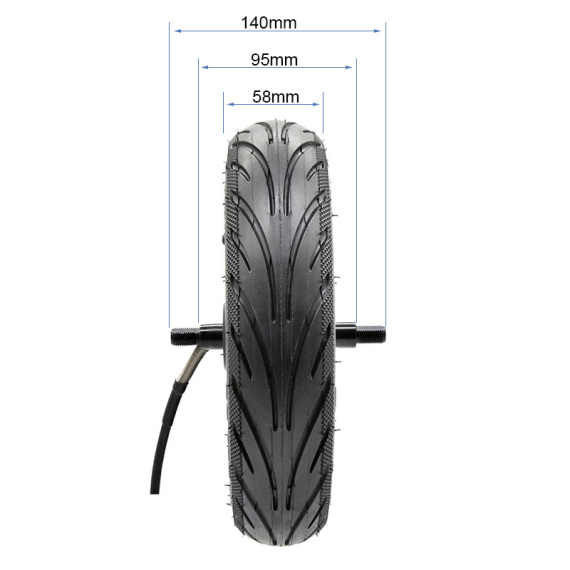
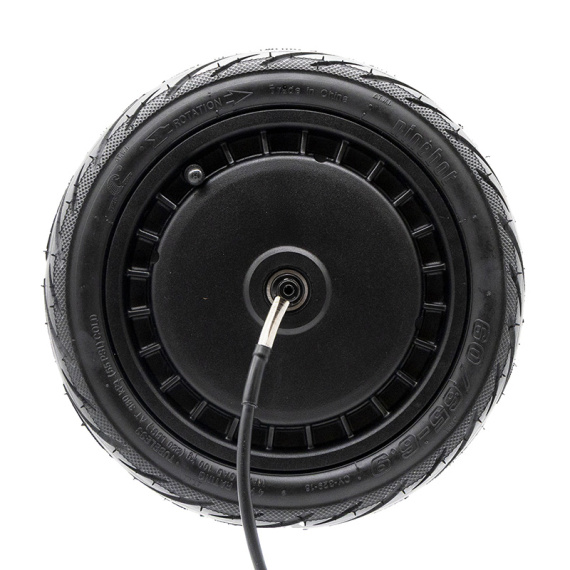
F3 E Ninebot motor: an essential part to ensure the propulsion and smooth running of your electric mobility vehicle. Designed to replace a failing or worn motor, this motor helps restore smooth performance, fluid driving and reliable motor response on a daily basis.
Intended for use in maintenance and repair, the Ninebot F3 E motor is aimed at users looking for a replacement solution adapted to their model, with the aim of restoring an efficient motor for urban commuting, commuting and a stable driving experience.
This component is part of the Ninebot spare parts ecosystem and meets the maintenance needs of an electric vehicle, with the aim of returning it to service safely and sustainably. To choose with confidence, we recommend that you check the exact match with your model before installation.
Scroll down the page to see detailed technical specifications at the bottom ↓
Warranty : 2 years

Delivery in 3 to 5 business days
Free for orders over €299

Need help?
Contact one of our experts !

Returns within 14 days
Presentation of the Ninebot F3 E motor
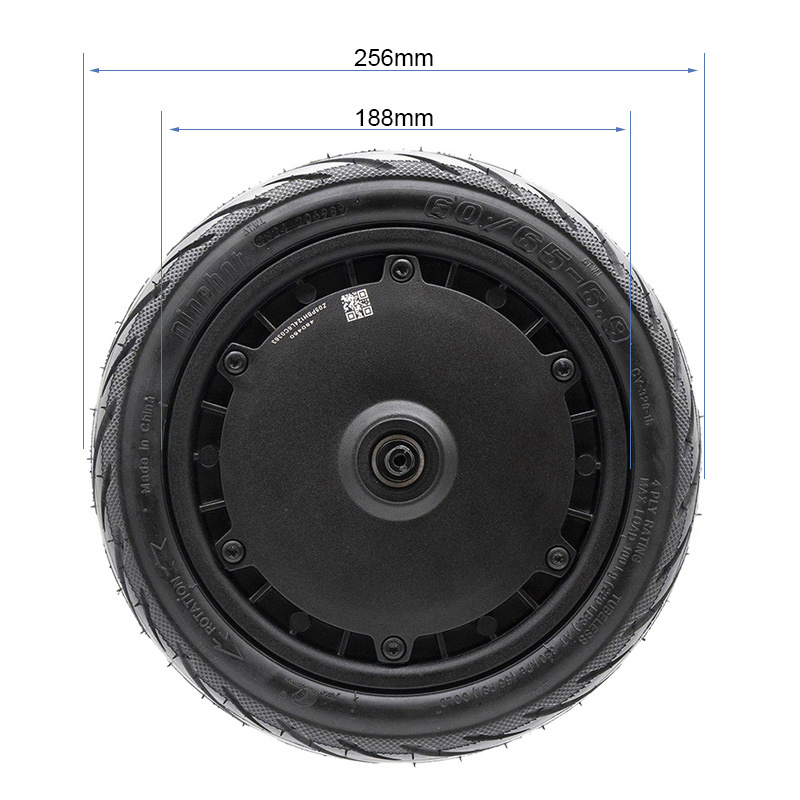
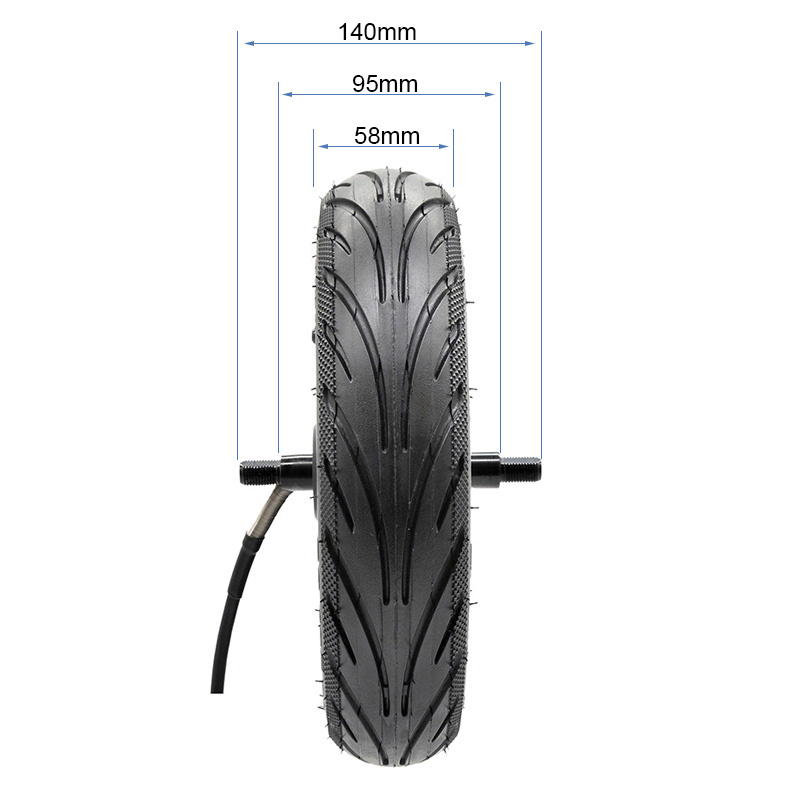
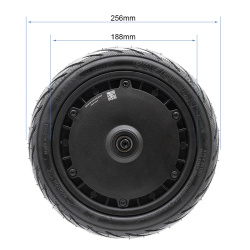
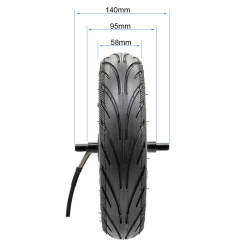
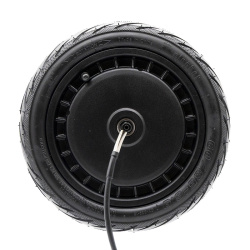
The Ninebot F3 E motor is a spare part dedicated to the motorization of the F3 E model. It can be used to replace a faulty original motor, restoring the electric assistance and smooth operation of the device, with a solution adapted to the requirements of soft mobility use.
Benefits for the user
This replacement motor helps you get your immobilized vehicle back into service (loss of traction, jerking, abnormal noise, motor error) by restoring regular electric propulsion. Replacing the motor also contributes to safer day-to-day use by limiting the unpredictable behavior associated with a tired motor (power cuts, power variations).
Technical specifications
Brand: Ninebot. Designation: F3 E motor. Type: motor (motorization part).
Recommended use
Replacement of an original motor on a Ninebot F3 E as part of a repair, overhaul or maintenance of the drive train (motorization). Suitable when symptoms point to a motor fault rather than the battery, controller or wiring.
Compatibility
Compatibility explicitly stated: Ninebot F3 E. No compatibility with other models, brands, controllers or batteries is specified in the available information.
Expert advice
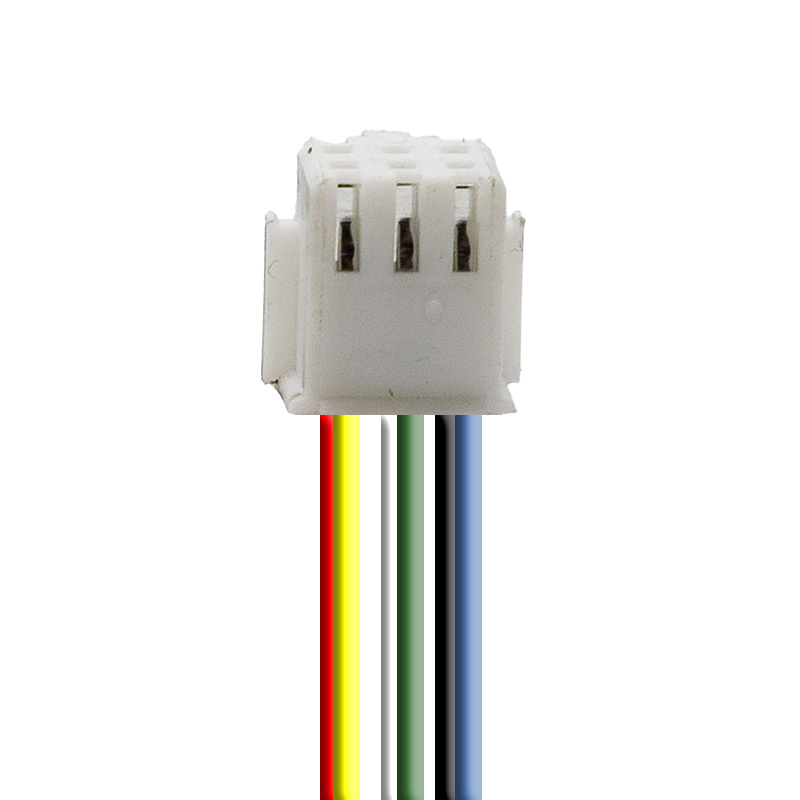
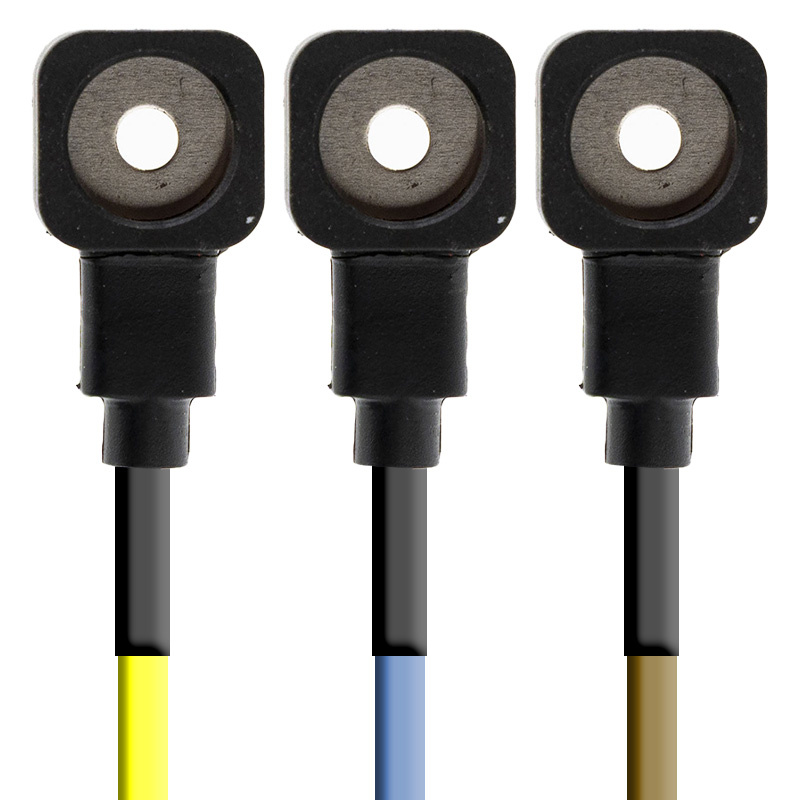
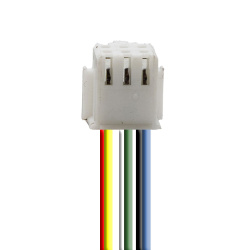
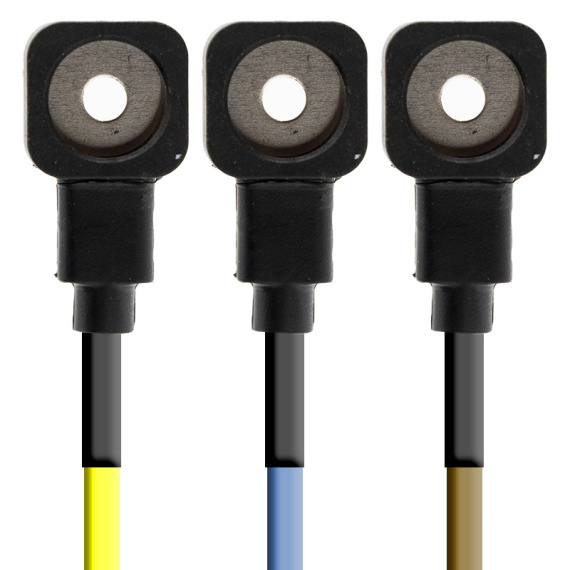
Before replacement, confirm the diagnosis by checking the condition of the connectors and harness, and the absence of oxidation or damaged pins, as traction failure can also be caused by a faulty contact or controller. During installation, keep to the original wiring routing, and ensure that fasteners are properly tightened to avoid any stress on the wires. After installation, carry out a progressive test (without load, then in real-life conditions) to confirm stable assistance and the absence of abnormal noise.



![Display EY4 [Minimotors]](https://doctibike.com/16155-medium_default/display-ey4-minimotors-.jpg)
![Display Xiaomi Mi3 [Original]](https://doctibike.com/17953-medium_default/display-xiaomi-mi3-original-.jpg)
![Bus cable display/controller Ninebot Max G2 [Ninebot]](https://doctibike.com/17174-medium_default/bus-cable-display-controller-ninebot-max-g2-ninebot-.jpg)
![Front wheel Xiaomi Mi5 Max [ORIGINAL]](https://doctibike.com/19452-medium_default/xiaomi-mi5-max-front-wheel.jpg)