


Guaranteed Reviews

Free shipping from €299

Installment payment with no fees via Alma

2-year warranty
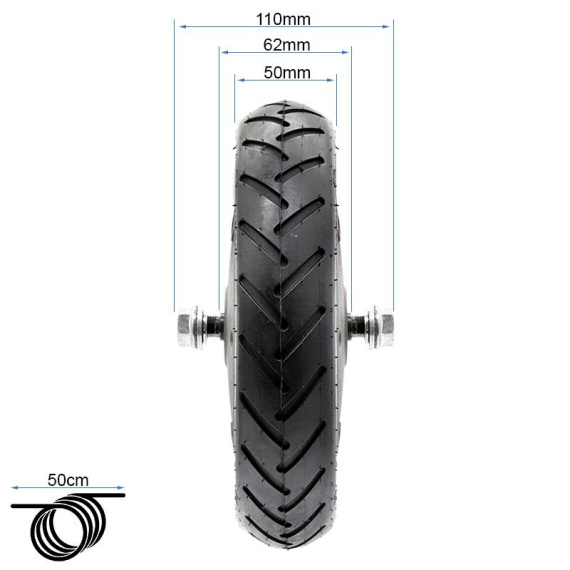
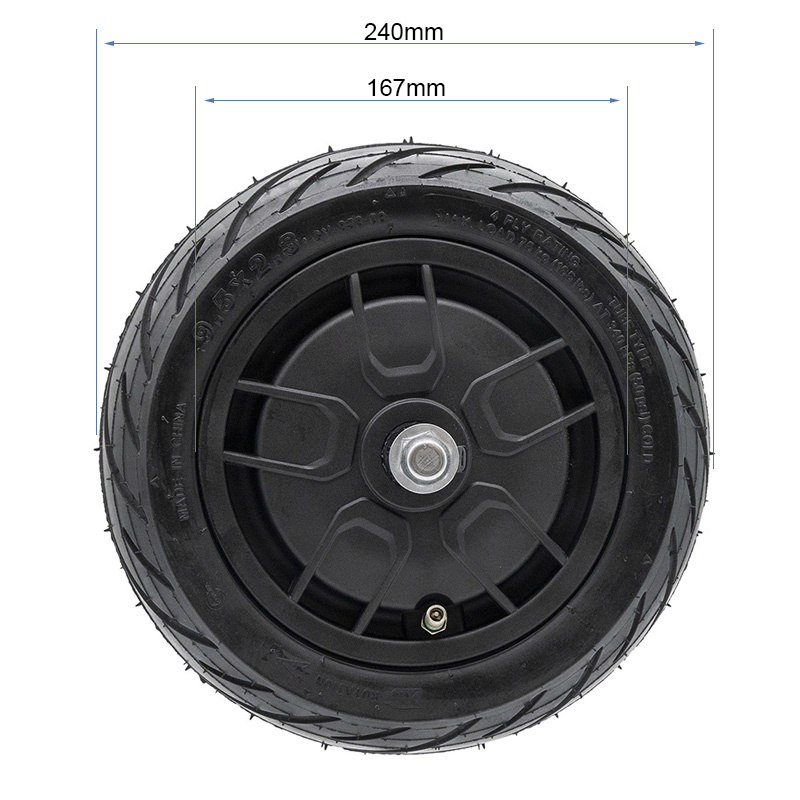
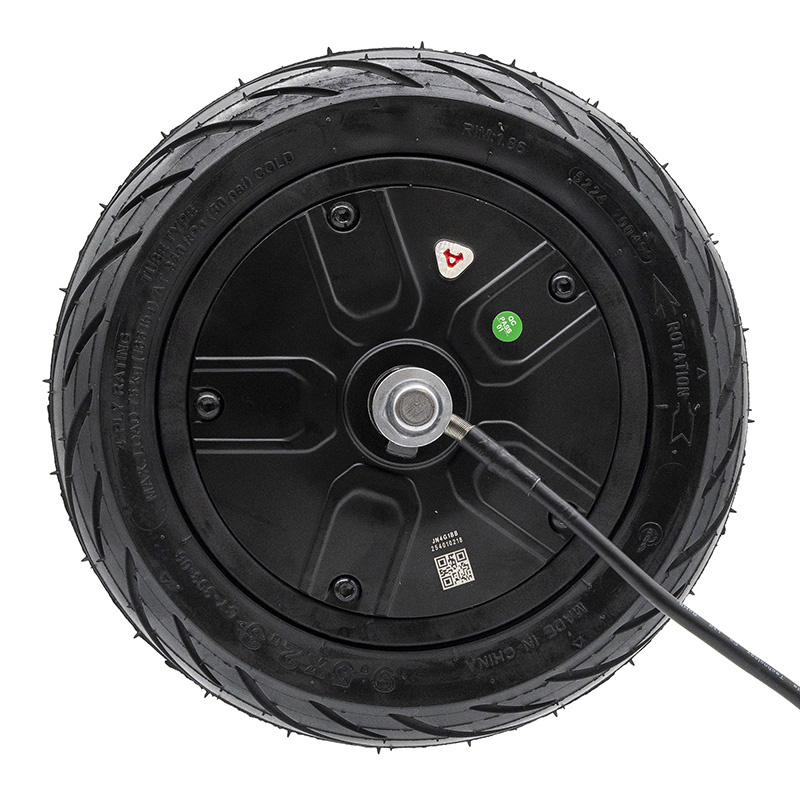
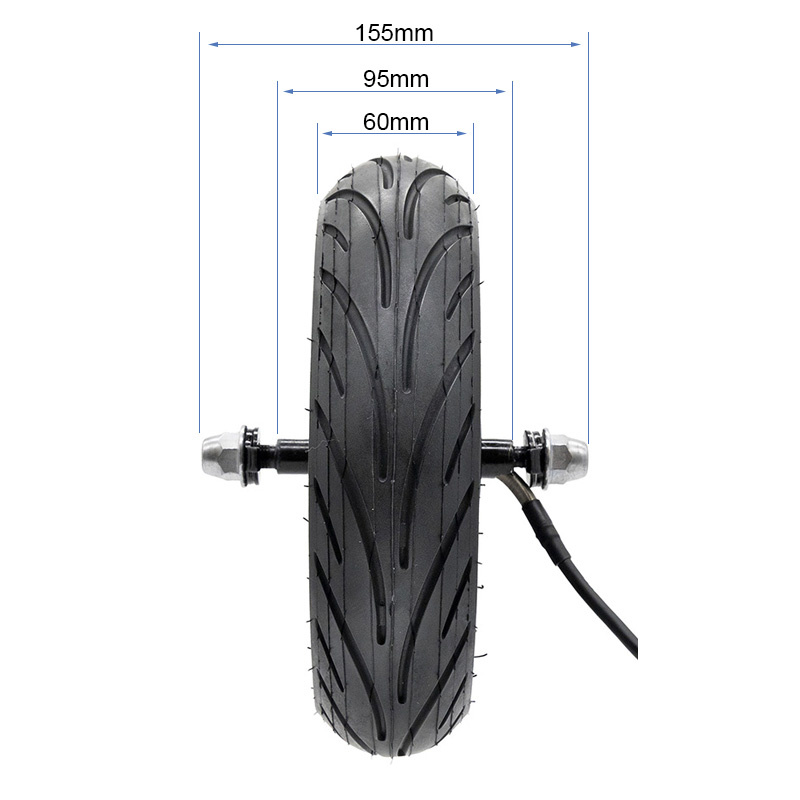
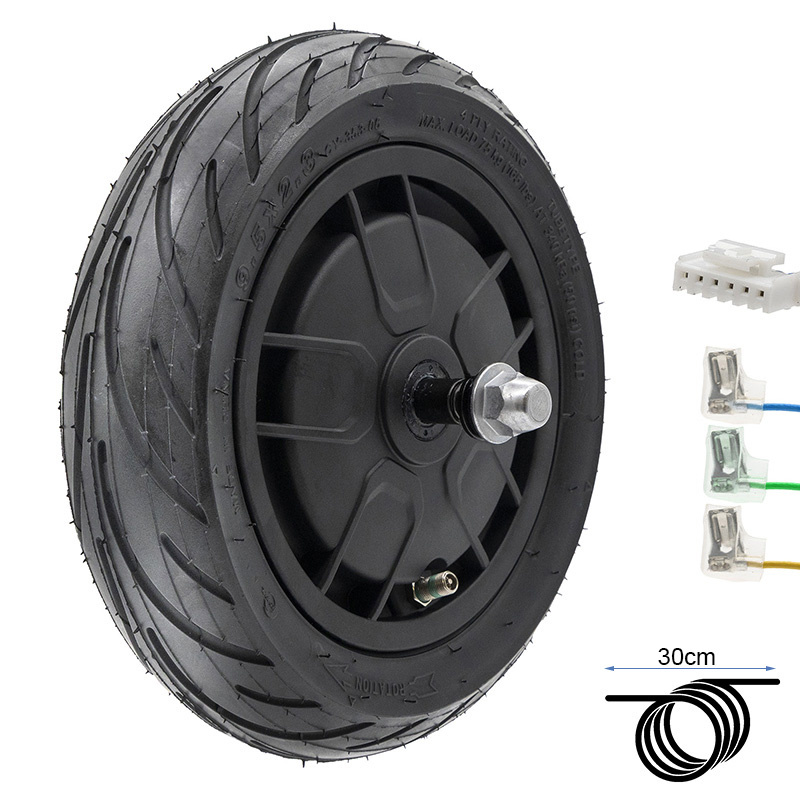
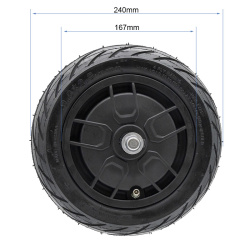
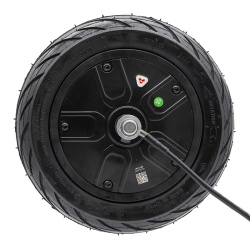
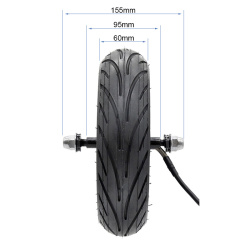
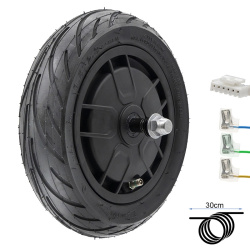
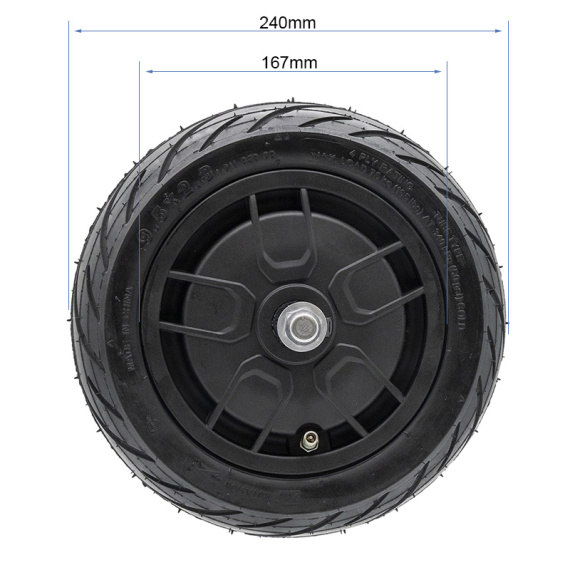
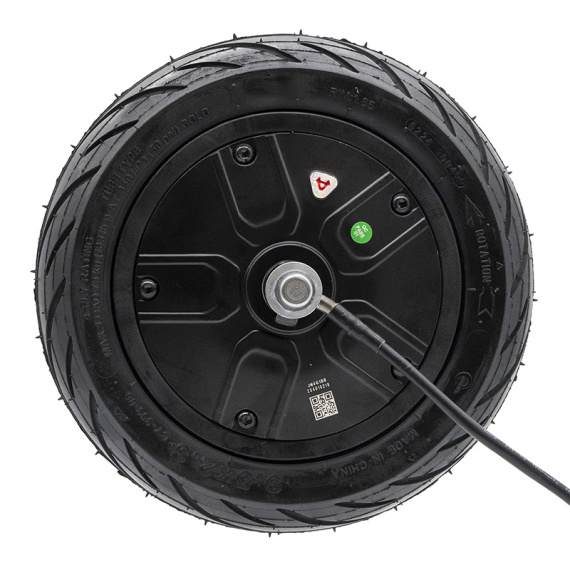
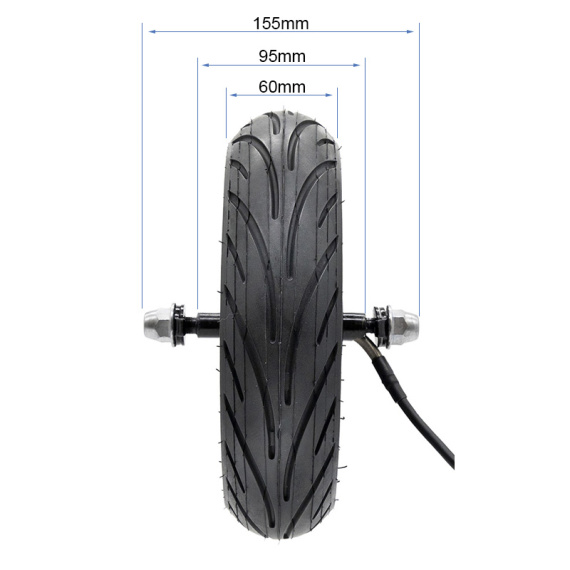
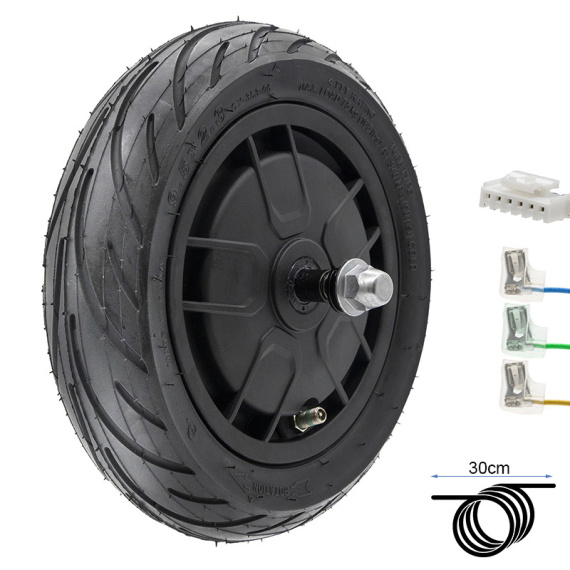
Niu KQi100 motor: an essential part for maintaining the performance and reliability of your electric mobility. Designed by Niu, this motor is intended for the replacement or reconditioning of a motorization assembly, in order to restore smooth propulsion, a more constant response to acceleration and smoother day-to-day operation.
Ideal for maintenance, repair or reconditioning, this motor is aimed at users looking for a solution adapted to urban use and regular journeys, with the requirement for a quality component to secure power transmission and service continuity.
To help you make the right choice, always check the model name and vehicle configuration before ordering.
Scroll down the page to consult the detailed technical specifications at the bottom ↓
Warranty : 2 years

Delivery in 3 to 5 business days
Free for orders over €299

Need help?
Contact one of our experts !

Returns within 14 days
Product overview
The Niu KQi100 motor is a replacement motor for Niu electric scooters. Designed to restore traction to your soft mobility vehicle in the event of breakdown, wear or loss of performance, it enables you to put a Niu KQi100 scooter back into service with a part adapted to its original architecture.
Benefits for the user
By replacing a faulty motor, you'll be able to get your electric drive back to normal, and enjoy a smoother ride on a daily basis. This type of spare part avoids the need to replace the whole scooter, and is a practical and economical way to prolong the use of your Niu KQi100.
Technical specifications
This product is a Niu electric scooter motor, identified as "Niu KQi100 motor".
Recommended uses
Recommended for the repair and maintenance of a Niu KQi100 electric scooter: replacement of an out-of-order motor, repair following a traction fault, reconditioning after wear or malfunction affecting propulsion. Suitable for repair workshops and users wishing to bring an electric mobility vehicle up to standard.
Compatibility
Compatibility explicitly stated: Niu KQi100.
Expert advice
Before ordering, please identify the model of your scooter (KQi100) and check that the motor to be replaced corresponds to your configuration (motor position, connectors and cable routing), as these elements are not detailed here. During assembly, check the condition of the harness, connectors and controller: a motor may fail due to a severed cable, connector oxidation or a fault on the controller side. After replacement, perform a no-load test and then a load test at progressive speed to check for abnormal noise, friction and overheating.