


Guaranteed Reviews

Free shipping from €299

Installment payment with no fees via Alma

2-year warranty
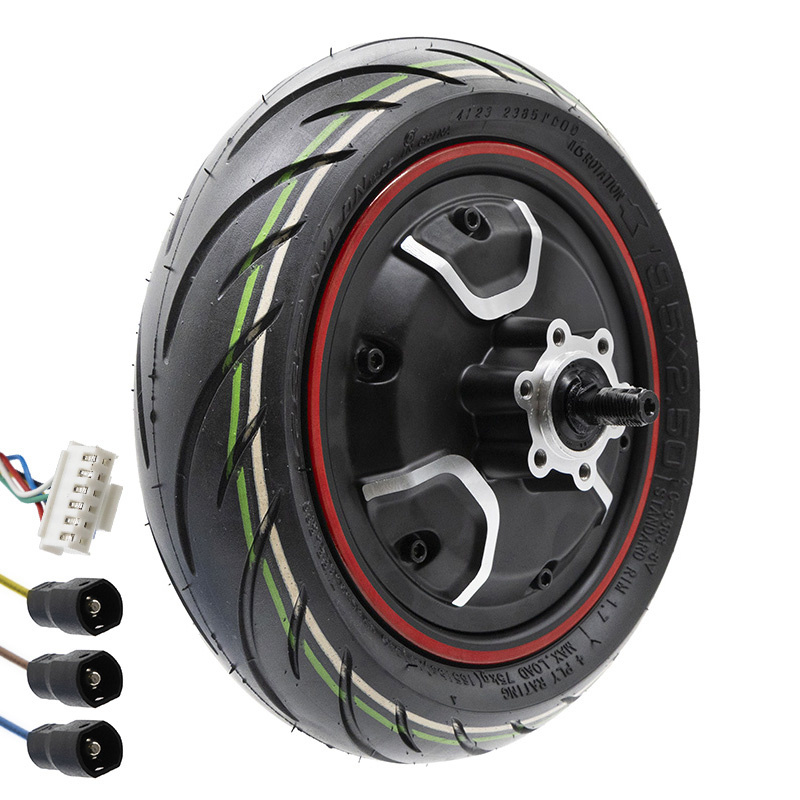
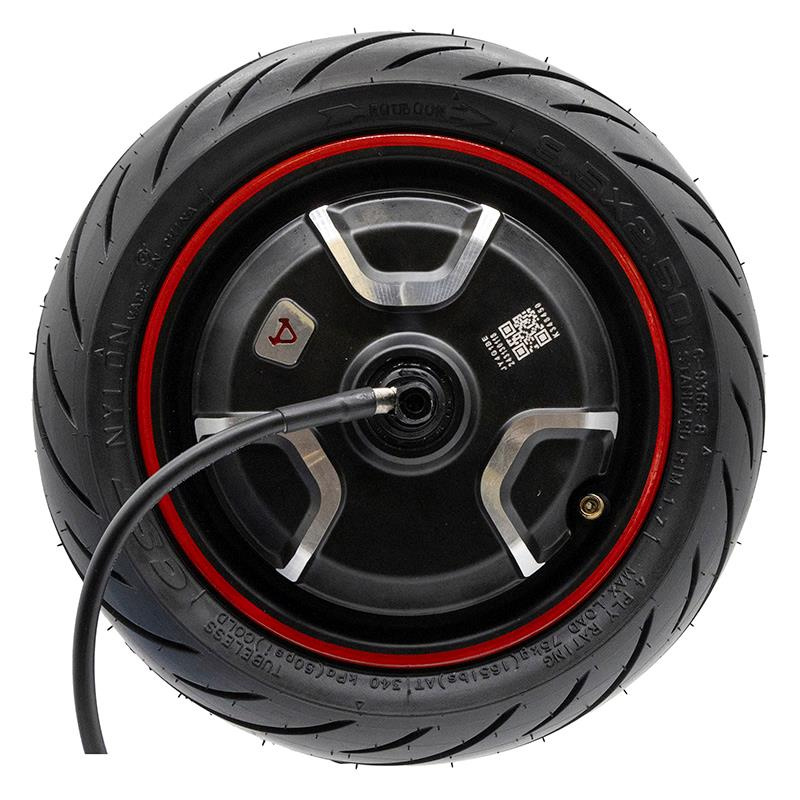
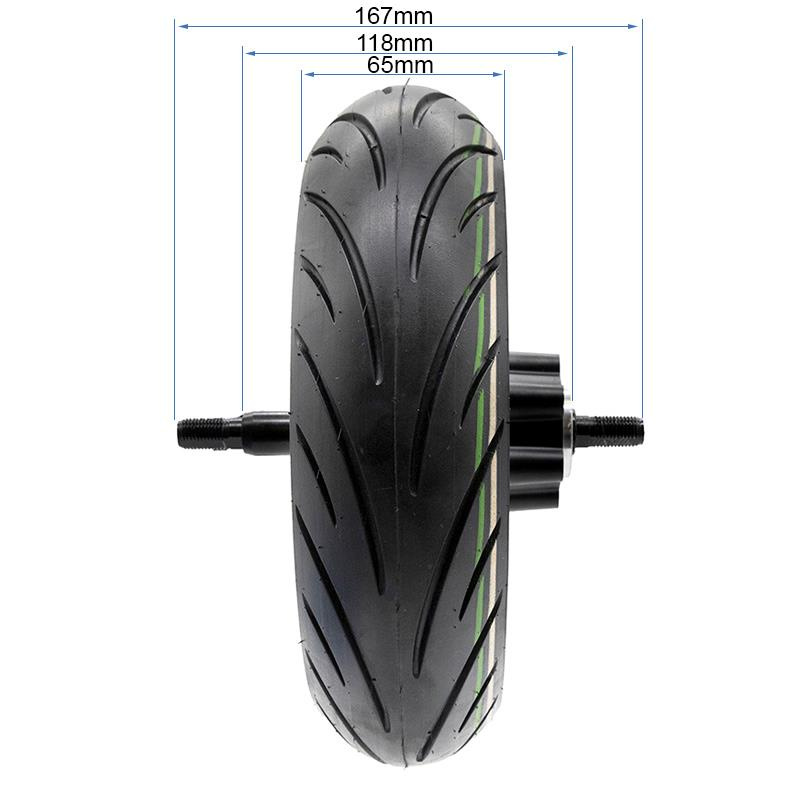
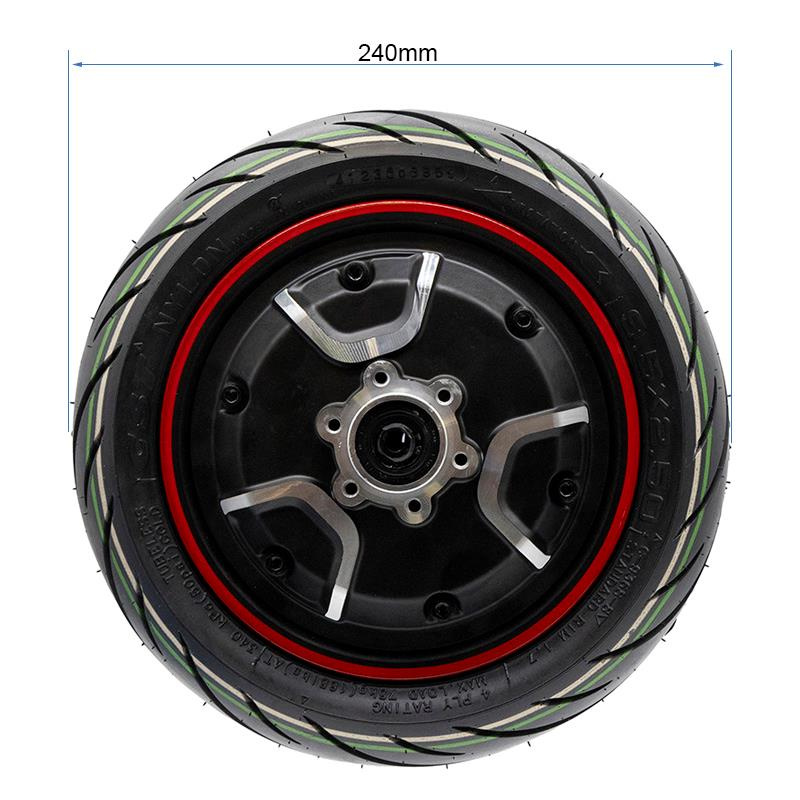
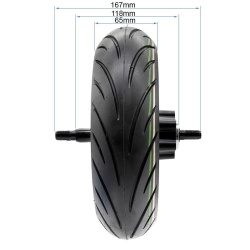
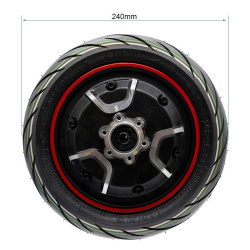
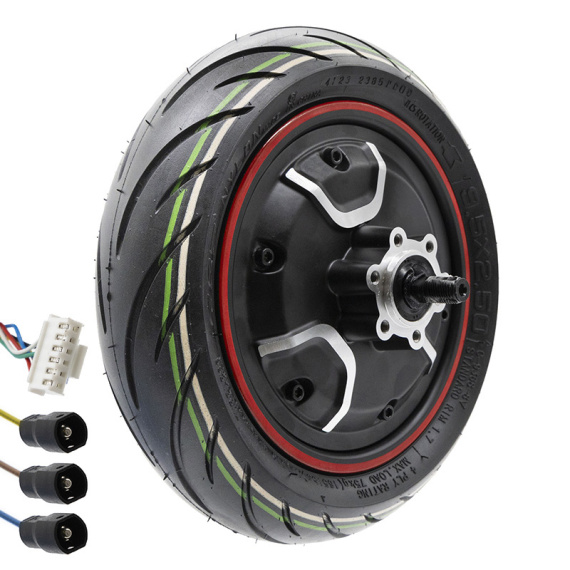
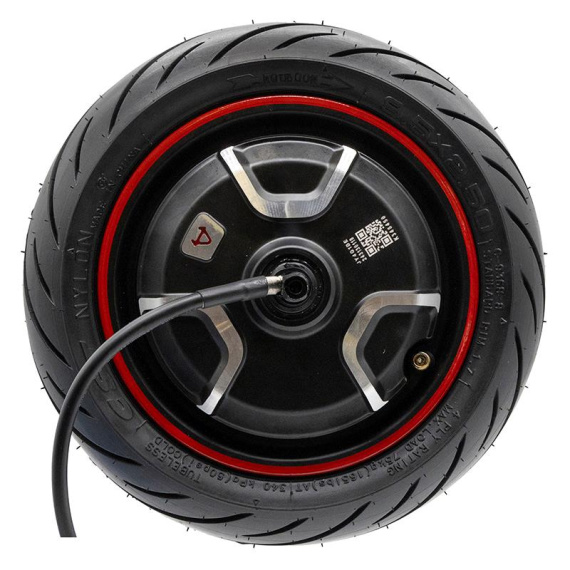
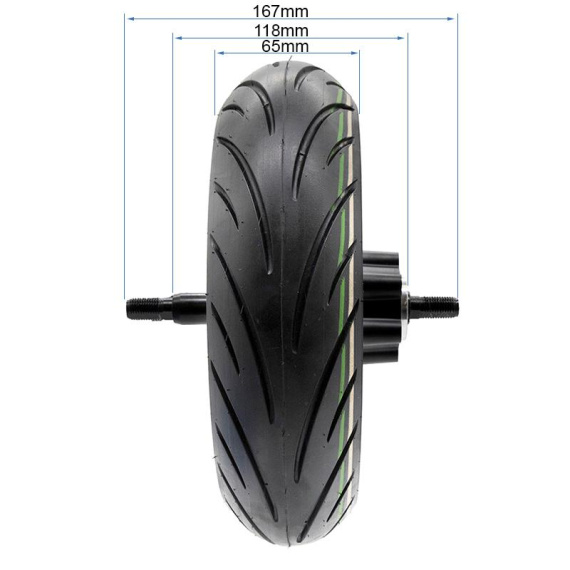
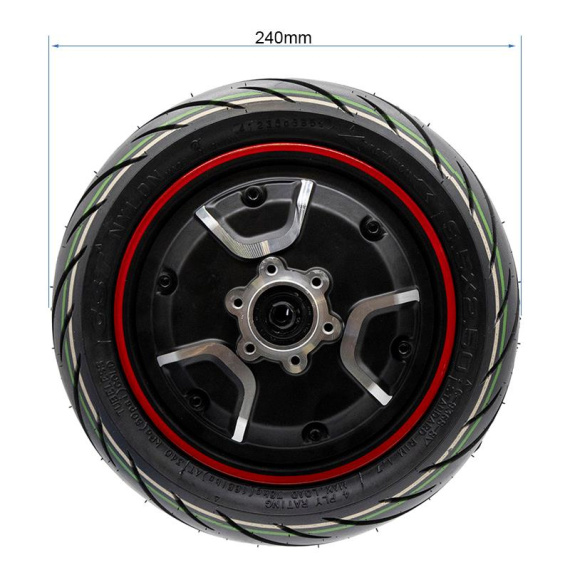
Give your electric scooter back its responsiveness with the 48V 450W Niu Original KQi3 MAX motor. Designed to deliver smooth, reliable propulsion, this original Niu motor is the ideal solution when you need to replace a worn or failing motor, to restore stable operation, controlled acceleration and smoother everyday driving.
Main function: motorization / propulsion for electric scooter.
Key benefits:
Compatibility: this motor is listed as original for Niu KQi3 MAX. If you have any questions about installation or version, we recommend that you check your model before ordering.
Scroll down the page to see detailed technical specifications at the bottom ↓
Warranty : 2 years

Delivery in 3 to 5 business days
Free for orders over €299

Need help?
Contact one of our experts !

Returns within 14 days
Description
The 48V 450W Niu Original motor for KQi3 MAX is a spare part designed to replace an original motor on a NIU electric scooter. It restores propulsion consistent with the original equipment, with a nominal power of 450W supplied at 48V, for efficient restoration of the traction system and operation consistent with the original configuration.
User benefits
This original NIU replacement motor is suitable for users wishing to restore the performance of their KQi3 MAX electric scooter after motor wear, failure or damage. By retaining a 48V and 450W specification, it facilitates the return to near-original behavior, without modifying the vehicle's electrical architecture.
Technical specifications
Product type: motor for electric scooter. Nominal voltage: 48V. Power rating: 450W. Brand: NIU. This is an original motor intended for maintenance and identical replacement on a compatible model.
Recommended uses
Replacement of the original motor as part of a repair, recommissioning or maintenance operation on an electric scooter. Recommended when the motor is diagnosed (loss of driveability, irregular operation, abnormal noise or proven failure) and a complete replacement is required.
Compatibility
Compatible with : NIU KQi3 MAX (original motor).
Expert advice
Before replacement, check that the system voltage is 48V and that the symptom originates from the motor (check connections, controller and power supply). During installation, ensure that cables are routed without pinching, that they are tightened to the correct torque, and that connectors are clean and securely locked. After installation, carry out a progressive test and check for any abnormal noise, overheating or cut-off on acceleration.

![Xiaomi Mi4 pro display-controller connector cable (Italian version) [ORIGINAL]](https://doctibike.com/16605-medium_default/xiaomi-mi4-pro-display-controller-connector-cable-italian-version-original-.jpg)
![48V 23A 1000W LCD QS-S4 [Kyesang]](https://doctibike.com/16649-medium_default/48v-23a-1000w-lcd-qs-s4-kyesang-.jpg)

![Xiaomi Mi4 Pro Plus Wheel Rim [ORIGINAL]](https://doctibike.com/18472-medium_default/xiaomi-mi4-pro-plus-rim.jpg)