Cycling holidays and trips , Tips and advice

How to transport an electric bike?

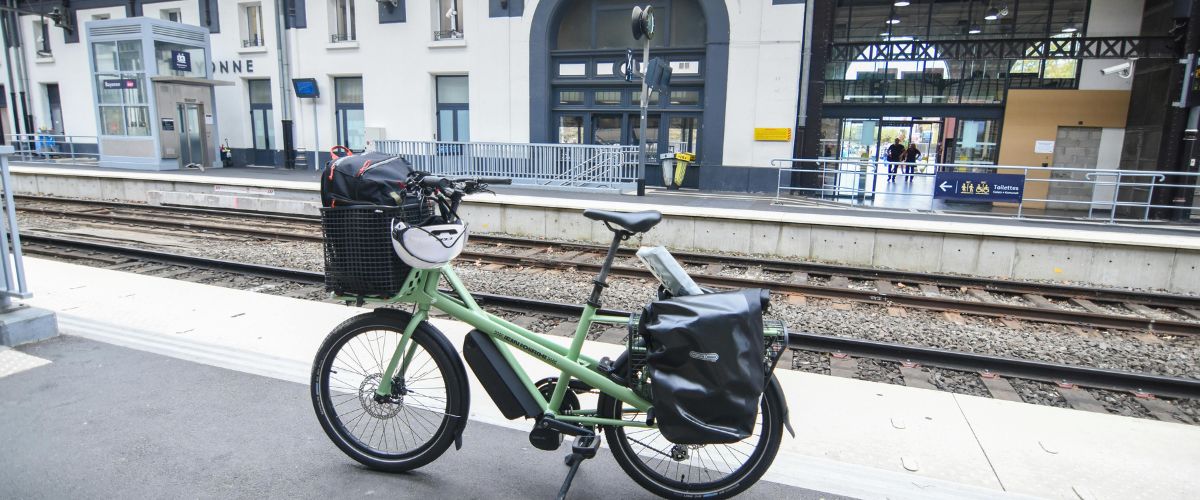
Un vélo électrique sur un quai de train

The rise of electric-assist bicycles (e-bikes) has revolutionized our mobility and leisure activities. However, with an average weight generally between 20 and 30 kg and the presence of a lithium-ion battery, transporting an electric bike can be a real challenge. Whether you are going on vacation or moving house, here are all our tips to transport your bike safely.

Key points to remember:

  • The car is the most suitable way to transport your electric bike.
  • It is forbidden to transport your electric bike battery on an airplane.
  • Transport by bus or train is possible depending on the companies; make sure to check and book before your departure.
  • Remove the battery for transport, use a fireproof transport bag and protect it from shocks.

Suitable means of transport

Transporting an electric bike requires some planning. It is necessary to select the most appropriate mode of transport.

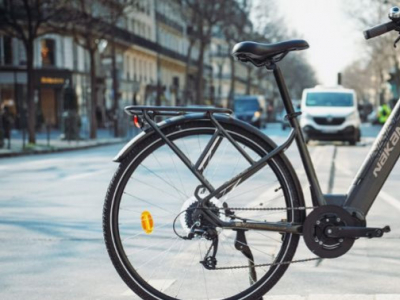
  • Car: This is the simplest solution. Forget trunk-mounted bike racks with straps, which are not designed to support such weight, and choose a towbar-mounted bike rack certified “especially for e-bikes”. These models are reinforced and often include an access ramp to avoid lifting the bike. Make sure that the dimensions and weight of your bike are compatible with your bike rack. Don’t forget to remove the battery from your bike!

  • Train: In many European countries, electric bikes are allowed on most regional trains and on some high-speed trains (often with reservation). Remember to check your reservation before departure. However, be aware that space is limited and lifting an e-bike to hang it on a vertical hook can be physically demanding. In addition, it is forbidden to recharge your battery on the train, and it must remain on the bike throughout the journey.

  • Bus: Most bus companies refuse to transport electric bikes for safety reasons. Check the conditions before purchasing your ticket.

Transporting your bike and battery: restrictions

E-bike batteries far exceed the 100 Wh or 160 Wh limit allowed in cabin or checked luggage (a standard bike battery is between 300 and 700 Wh). It is therefore strictly forbidden to take your battery on an airplane. The only solution is to send the battery separately through a specialized freight carrier (Cargo) or to rent a battery at your destination. Note that these solutions can be expensive.

Although rare, some specific regulations (especially on small vessels or during very long underwater tunnel crossings) may restrict the transport of high-capacity lithium-ion batteries due to fire risks. Always check before the crossing.

How to transport your battery safely?

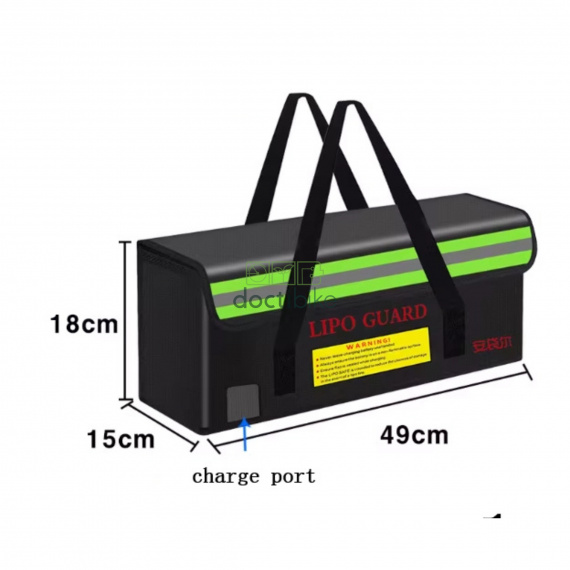
Place the battery in a fireproof protective bag and secure it inside the vehicle to prevent shocks.

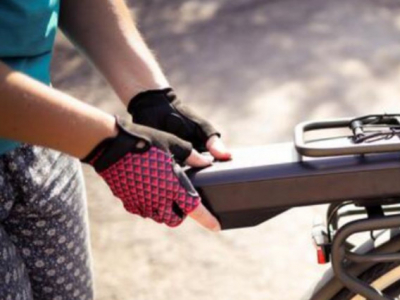
La règle d'or pour tout transport est de retirer la batterie du vélo. En effet, enlever la batterie permet d'alléger le vélo de 3 à 4 kg, ce qui est crucial pour les limites de charge des porte-vélos. De plus, les cellules au lithium n'aiment pas les extrêmes. En été, ne laissez pas la batterie dans l'habitacle d'une voiture garée en plein soleil. En hiver, gardez-la au chaud pour préserver son autonomie.

Découvrez notre guide complet pour savoir comment enlever correctement la batterie de votre vélo. Si vous possédez une batterie Bosch, consultez notre guide dédié

The golden rule for any transport is to remove the battery from the bike. Removing the battery reduces the bike’s weight by 3 to 4 kg, which is crucial for the load limits of bike racks. In addition, lithium cells do not like extreme temperatures. In summer, do not leave the battery inside a car parked in direct sunlight. In winter, keep it warm to preserve its range.

Discover our complete guide to learn how to properly remove the battery from your bike. If you own a Bosch battery, consult our dedicated guide.

The opinion of Doctibike experts

Nicolas – Production Operations Manager at Doctibike

"Once the battery is removed, the electrical contacts on the bike frame are exposed. Use a neoprene connector cover or simple plastic film to prevent moisture or dust from entering during the journey. 

⚠️ We recommend transporting your battery with a charge level of around 30% and recharging it once you arrive.”

In conclusion, transporting your electric bike and its battery requires anticipation. Check the transport conditions in advance if you plan to use public transport. Invest in quality equipment (bike rack, transport bag) and keep in mind that your battery is the most valuable and sensitive component of your equipment.

Related posts