


Guaranteed Reviews

Free shipping from €299

Installment payment with no fees via Alma

2-year warranty
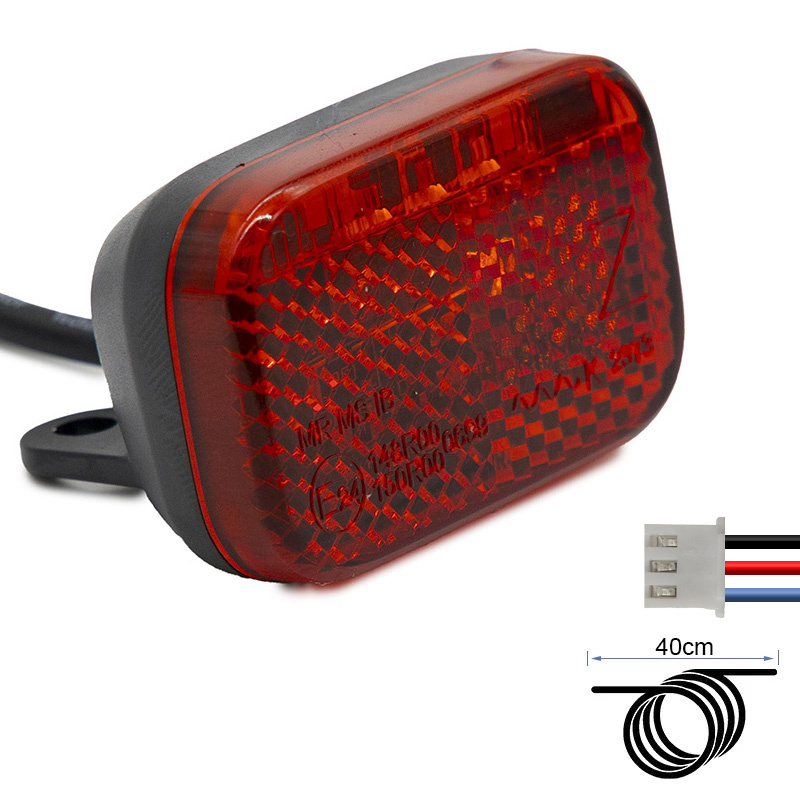
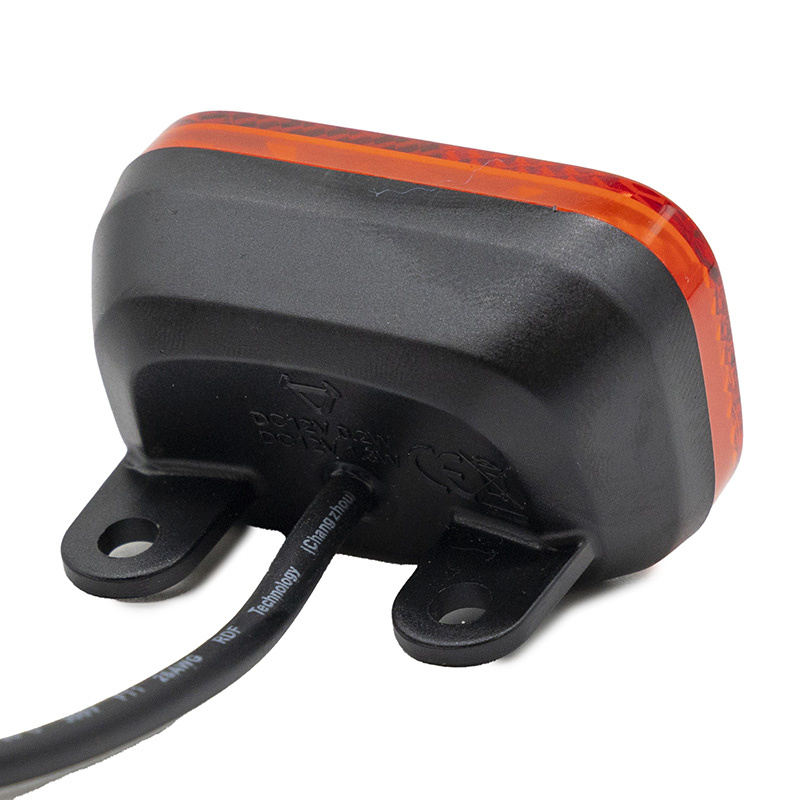
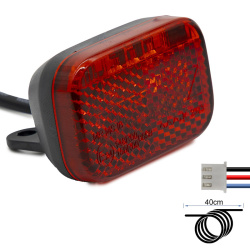
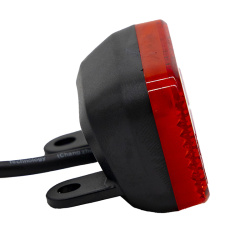
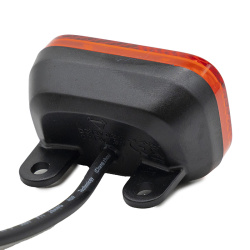
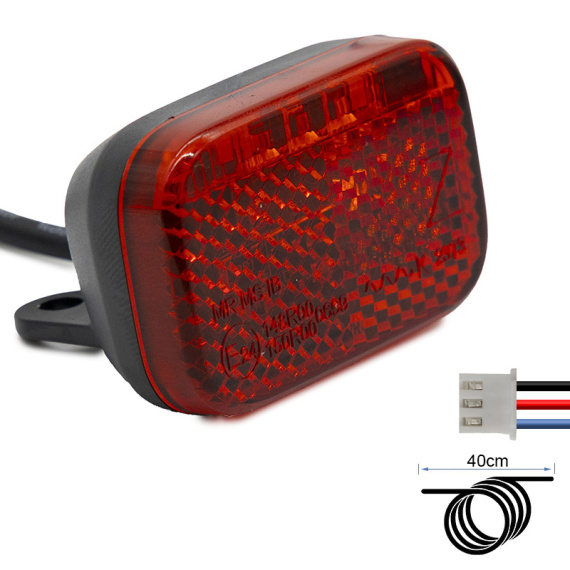
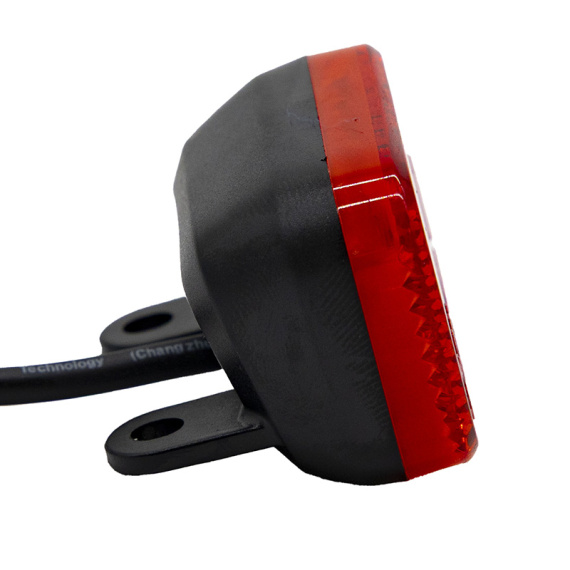
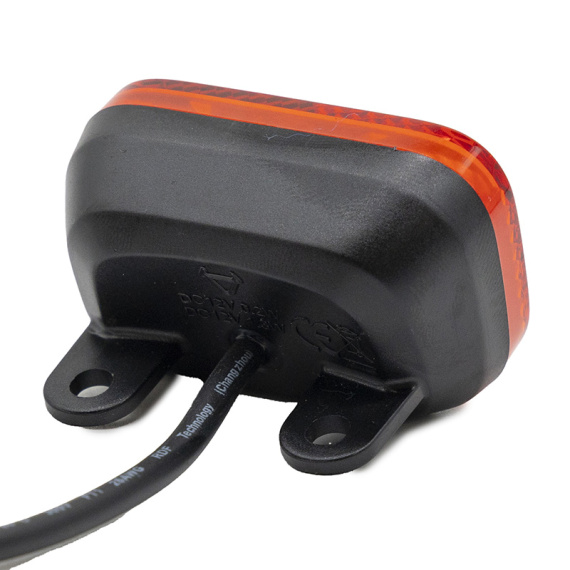
Niu KQi100 Taillight: Make your daily commutes safer with a taillight designed to improve your visibility and give you peace of mind while riding an electric bike. Ideal for riding in urban environments and on bike paths, this taillight helps ensure you’re more visible to other road users, especially in low-light conditions.
From the Niu brand, this taillight is a reliable replacement to restore functional rear lighting after wear or breakage. It’s designed for users looking for a part that fits their equipment, with installation and use tailored for regular use.
To ensure proper installation, verify compatibility with your model before ordering.
Scroll down to view the detailed technical specifications at the bottom of the product page ↓
Warranty: 2 years

Delivery in 3 to 5 business days
Free for orders over €299

Need help?
Contact one of our experts !

Returns within 14 days
Product Overview
The Niu KQi100 taillight is a rear light designed to improve the visibility of an electric scooter, particularly during urban rides and in low-light conditions. As a replacement for a worn-out or damaged original taillight, it restores a clear rear signal that meets the requirements for the daily use of a personal mobility device.
Benefits for the User
This taillight helps make you more easily visible to other road users. It meets the essential safety and rear visibility needs for electric scooters, especially in urban traffic, at night, or in overcast conditions. It’s also designed for those who want to repair their rear lighting after a breakage, failure, or malfunction.
Technical Specifications
• Type: taillight (rear lighting)
• Brand: Niu
• Model: Niu KQi100 Taillight
Recommended Uses
Recommended for replacing a rear light on an electric scooter to maintain good rear visibility and ensure safe daily travel: commuting to and from work, riding in the city, evening outings, or in low-light conditions.
Compatibility
Explicitly stated compatibility: Niu KQi100.
Expert Advice
Before purchasing, identify your scooter model (KQi100) precisely to avoid any compatibility issues. When replacing the light, check the condition of the existing wiring and connectors, and ensure there is no oxidation or pinching that could cause recurring malfunctions. After installation, perform a thorough test of the taillight before riding again, and regularly check that the light is working properly during your routine maintenance.



![Tire Tubeless 85/65-6.5 [Wanda]](https://doctibike.com/18587-medium_default/8tubeless-tire-5-65-65.jpg)
![Controller 60V 22A Dualtron Raptor [Minimotors]](https://doctibike.com/16899-medium_default/controller-60v-22a-dualtron-raptor-minimotors-.jpg)