Electric bike breakdowns (the most common): causes and solutions!
Like any mechanical device, electric bikes can break down. In this article, we'll look at some of the most common faults you may encounter with your electric bike, along with their possible causes and solutions.
The table below summarizes the main electrical system issues. For more details, you will find a detailed analysis of each problem further down in this article.
| Issue | Possible symptoms and causes | Recommended solutions |
| Battery | Reduced range, incomplete charging, loose connection on the e-bike battery | Clean and check the connections. Test the battery with a multimeter. Consider refurbishing or replacing the battery if necessary. |
| Motor | Loss of power, unusual noises, complete loss of electric assistance | Contact the Doctibike team for an accurate diagnosis and assess whether repair or replacement is required. |
| Display | Screen not turning on, unresponsive controls, incorrect data (speed, battery level) | Check cable connectivity. Contact the manufacturer if necessary. |
| Connectivity | Random electrical system malfunctions, faulty sensors | Inspect the condition of cables and connections. |
| Brakes | Spongy braking, squeaking noises, excessive force required to stop | Clean with a degreaser (dirt/oil), check pad wear and adjust cable tension. |
| Drivetrain | Chain skipping, poor gear shifting, cracking noises while pedaling | Clean and lubricate the chain. Adjust the derailleur. Replace worn parts (chain, cogs). |
1. Battery problems:
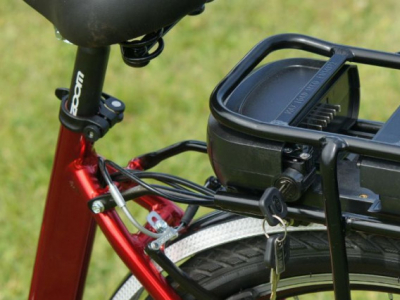
Battery problems are among the most common failures in electric bicycles. These can include reduced range, slow charging, an inability to fully charge the battery, a bike that shuts off while riding, or one that does not turn on at all. The causes of these issues can vary, including normal battery wear, poor battery management, or connectivity problems.
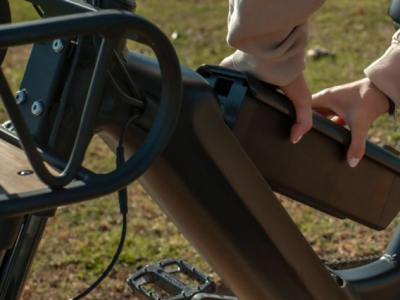
Solution: To solve battery problems, start by checking the connections and making sure they are clean and well connected. For example, a loose connection on your e-bike battery can cause intermittent power cut-outs when riding over bumps or uneven surfaces. Also remember to check your tire pressure and braking system to ensure there is no excessive friction. You can also test your battery with a multimeter to check its condition.
If the battery is old, it may need replacing. Also make sure you charge your battery correctly according to the manufacturer's instructions and avoid letting the battery discharge completely.
Doctibike can help you replace your electric bike battery. We can diagnose and recondition your battery. If reconditioning is not possible, we can also advise you on the purchase of a new battery. Nakamura, Bosch, Yamaha e-bike batteries… Discover our wide range of compatible batteries!
2. Motor problems :
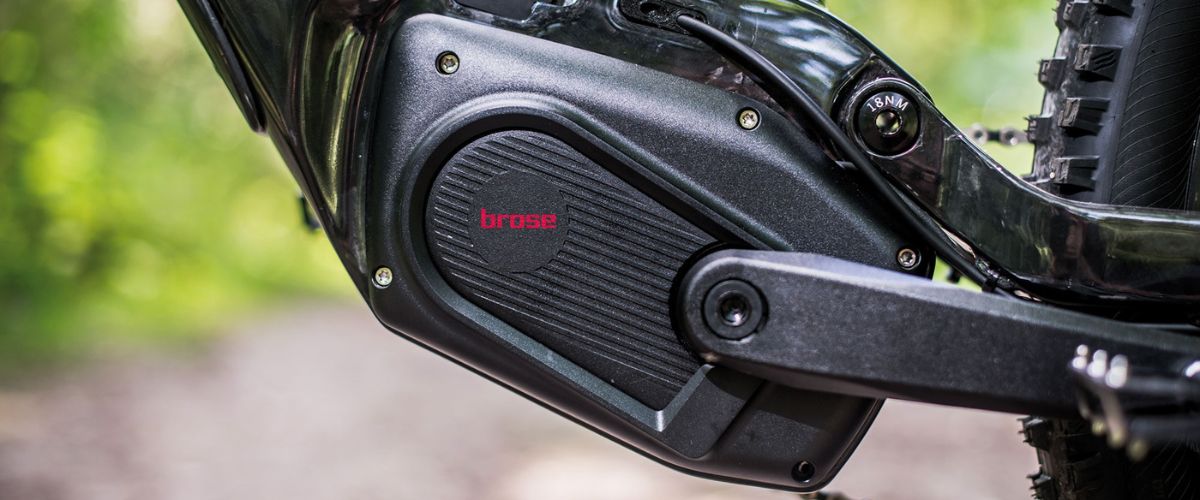
Another common problem is with the electric bike's motor. This can manifest itself as a loss of power, strange noises or even a lack of response when you try to use the electric assistance. Causes can include manufacturing faults, wiring problems or simply normal wear and tear on the motor.
Solution: Check tire pressure and the braking system to ensure there is no friction. If you experience issues with your e-bike motor, contact us for an accurate diagnosis and to determine whether repair is possible. Make sure you also follow the manufacturer's maintenance recommendations to prolong the life of your motor.

3. Display and control problems:
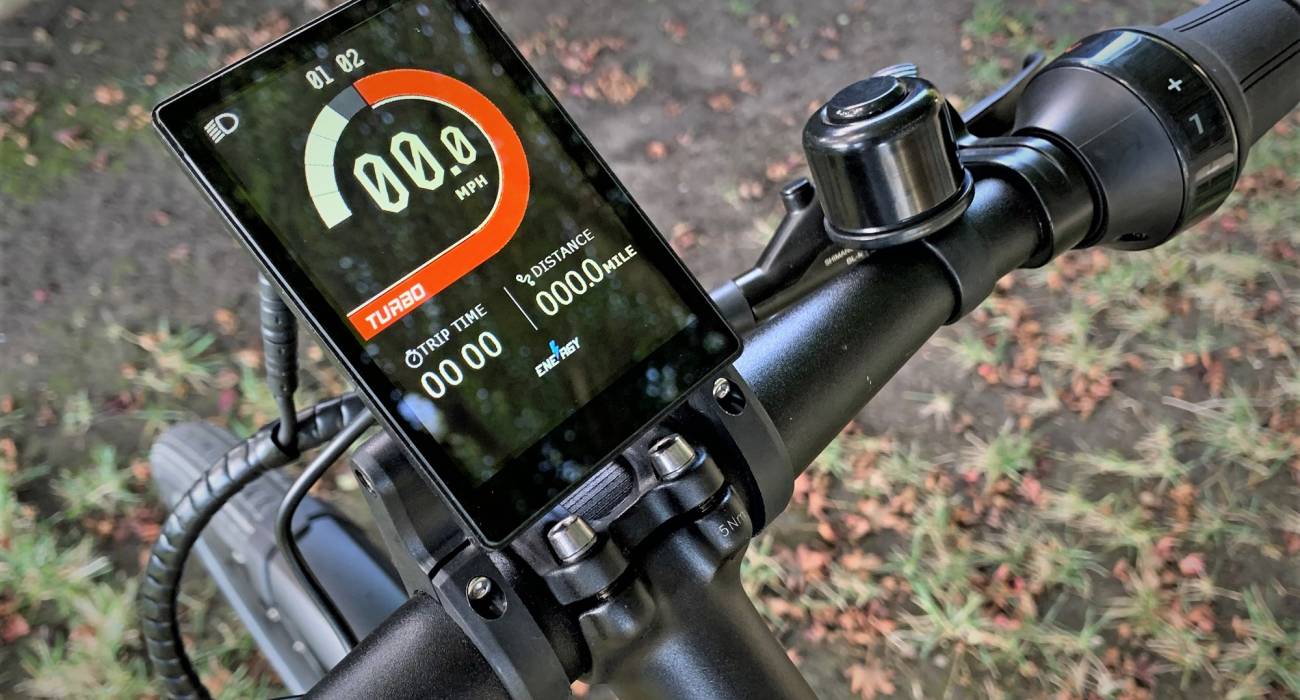
Modern electric bikes are often equipped with a control screen that allows you to monitor your speed, battery level and other parameters. If you have problems with the display or controls, this can make your electric bike difficult or impossible to use.
Solution: If you have problems with the display or controls of your electric bike, first check the connections to make sure they are securely connected. If the problem persists, contact the manufacturer or a professional for help.

4. Connectivity and electronics problems:
Modern electric bikes are equipped with a variety of electronic components, including sensors, cables and connections. Problems with connectivity or electronics can lead to malfunctions in the bike's electrical system.
Solution: Check the connections and cables to ensure that they are properly connected and in good condition. If you encounter persistent connectivity problems, contact the manufacturer for assistance.
5. Brake problems:
Brake problems are not only frustrating but also dangerous. If you notice that your brakes are not responding properly, squealing or requiring excessive pressure to operate, this may indicate a problem. Causes can include oil or dirt on the brake pads, worn cables or adjustment problems.
Solution: Start by cleaning your brakes with a dry cloth and a suitable degreaser to remove any accumulated dirt or oil. Also check the condition of the brake cables and pads and replace them if necessary. If you're not sure how to adjust your brakes properly, it's advisable to call in a professional.
6. Transmission problems :
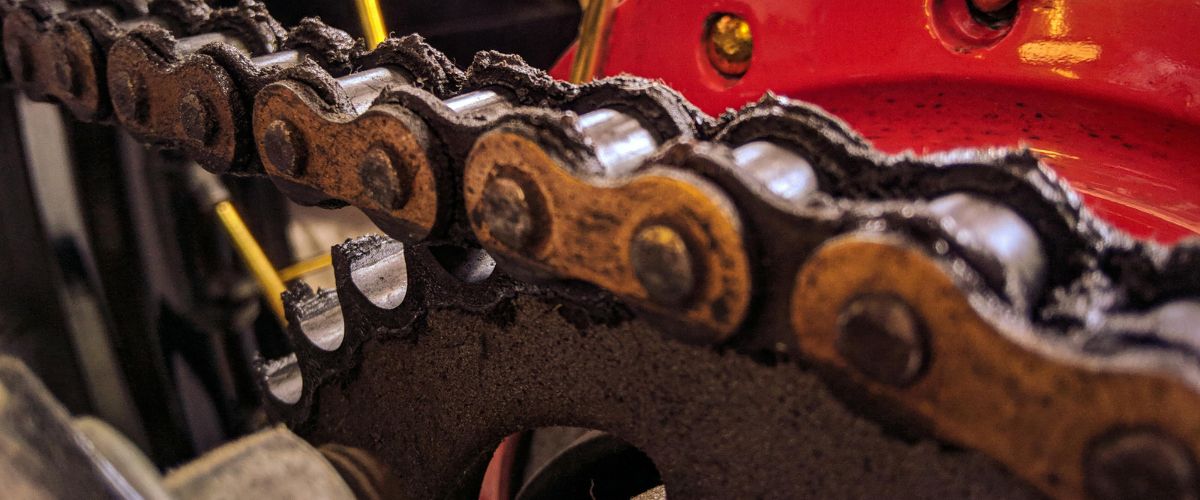
Transmission problems can manifest themselves as difficult gear changes, chain jumping or unusual noises when shifting. Possible causes include an incorrectly adjusted derailleur, a worn chain or damaged sprockets.
Solution: Make sure your derailleur is correctly adjusted and your chain is clean and lubricated. If you continue to have problems, consider replacing the worn chain or sprockets.
In conclusion, although electric bike breakdowns can be frustrating, most of them can be solved with a little patience and know-how. By understanding the potential causes of breakdowns and following the recommended solutions, you can keep your electric bike in good working order and enjoy your commute with peace of mind.