A bicycle battery that discharges too quickly: what can you do?

If you're an electric bike enthusiast, you'll know how frustrating it can be when the battery dies quickly. Imagine you're in the middle of an exciting ride when suddenly your bike starts to slow down, forcing you to stop your escapade earlier than planned. Don't worry, you're not alone. Many electric cyclists experience this problem, but the good news is that there are solutions.
Why does my battery discharge so quickly?
Before diving into solutions, it's essential to understand why your battery discharges quickly. There are several possible causes:
- 1. Temperature: Electric bike batteries are sensitive to extreme temperatures. Very hot or very cold temperatures can reduce battery life.
- 2. The age of the battery: Like all electronic equipment, battery performance decreases over time. If your battery is old, it may not retain as much charge as it used to.
Whether you own a Shimano e-bike battery, a Bosch, a Yamaha, or any other brand, it is possible that after several years, it may no longer hold as much charge as it used to.
- 3. The rider's weight: The heavier the rider, the greater the strain on the battery to provide extra power, which can lead to a faster discharge.
- 4. Terrain: Riding on uneven terrain or uphill puts more strain on the battery, which can reduce its range.
- 5. Riding style: If you mainly use a high assistance mode, the battery discharges much more quickly.
- 6. Storage: When you store your electric bike battery, you should follow the rules that help to maintain the battery's lifespan: these include keeping the charge rate between 40% and 70% and charging your battery at least once a month.
- 7. An incorrect battery display: The remaining battery percentage displayed is an estimate calculated by the electronic system. Over time, or if the estimate is not properly calibrated, the battery gauge may become inaccurate. For example, if your battery gauge drops from 30% to 10% very quickly, this is probably the case.
In fact, the displayed charge level is estimated, among other factors, based on the battery voltage. However, the voltage of a lithium-ion battery does not decrease steadily during discharge. At an intermediate charge level, the voltage varies relatively little, which can give the impression that the percentage remains stable. When the battery is more discharged, its voltage may drop rapidly, causing a sudden decrease in the displayed percentage.
This can also happen if the battery is ageing or if the motor places greater demands on it, particularly when riding uphill.
How can you solve the problem of rapid battery discharge and optimise your battery's range?
Now that you've identified the likely cause of your battery's rapid discharge, here are a few solutions:
- 1. Check tyre pressure: Under-inflated tyres can increase rolling resistance, which puts more strain on the electric motor and drains the battery more quickly. Whether you use your electric bike daily or occasionally, make sure your tyres are always properly inflated.

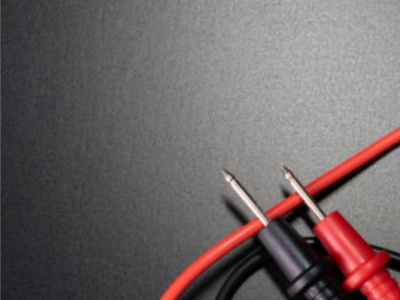
- 2. Check the battery voltage using a multimeter: Use a voltmeter to test the voltage of your electric bike's battery by connecting the positive (+) and negative (-) poles to the battery terminals. If the result displayed by your voltmeter differs from the battery's nominal voltage, the battery may be faulty. We can then offer you a solution for diagnosing or reconditioning your battery.
- 3. Avoid extreme temperatures: If possible, store your bike in a place where the temperature is stable. Avoid leaving your bike exposed to the sun or cold for long periods.
- 4. Pay attention to your riding: Adopt a smoother, more consistent riding style. Avoid sudden acceleration and abrupt braking, as these can increase the battery's energy consumption. In particular, when using Turbo or Boost mode, your bike's battery will discharge much more quickly.
- 5. Reduce weight: If you often carry heavy loads, consider making them lighter or using a luggage rack to take the strain off the battery.
- 6. Update your software: Software updates for your electric bike can sometimes improve energy efficiency, helping to extend your battery's range. If you use an app connected to your bike, such as Bosch eBike Flow, you can easily update the software. If not, contact your bike dealer.
- 7. Consult a professional: If you have tried all these solutions and your battery is still discharging quickly, it may be time to have your bike checked by a professional. There may be an underlying issue, such as a faulty BMS (Battery Management System), that requires the battery to be repaired or replaced.
Our technicians can carry out a diagnostic assessment of your battery. Once the assessment is complete, we will provide you with a detailed report on the condition of your lithium-ion battery and recommend the solution best suited to your situation: repairing and/or reconditioning your battery, or replacing it with a new one.
In conclusion, a rapidly draining bike battery can be frustrating, but it doesn't have to be. By following these simple tips, you can extend the life of your battery and enjoy your rides with complete peace of mind.
To go further, check out our article to find out when to recharge your e-bike battery.
Doctibike is here to help you maintain and repair your electric bike battery!